Iron is one of those nutrients we often overlook until our energy levels start dropping, we're experiencing unusual fatigue, or our blood reports reveal low iron stores. But here's something important: eating iron-rich foods is only one part of the equation. How well your body absorbs that iron matters just as much. Whether you're vegetarian, plant-based or include animal foods in your diet, understanding which foods provide iron and how to combine them can make a meaningful difference to your nutritional intake.
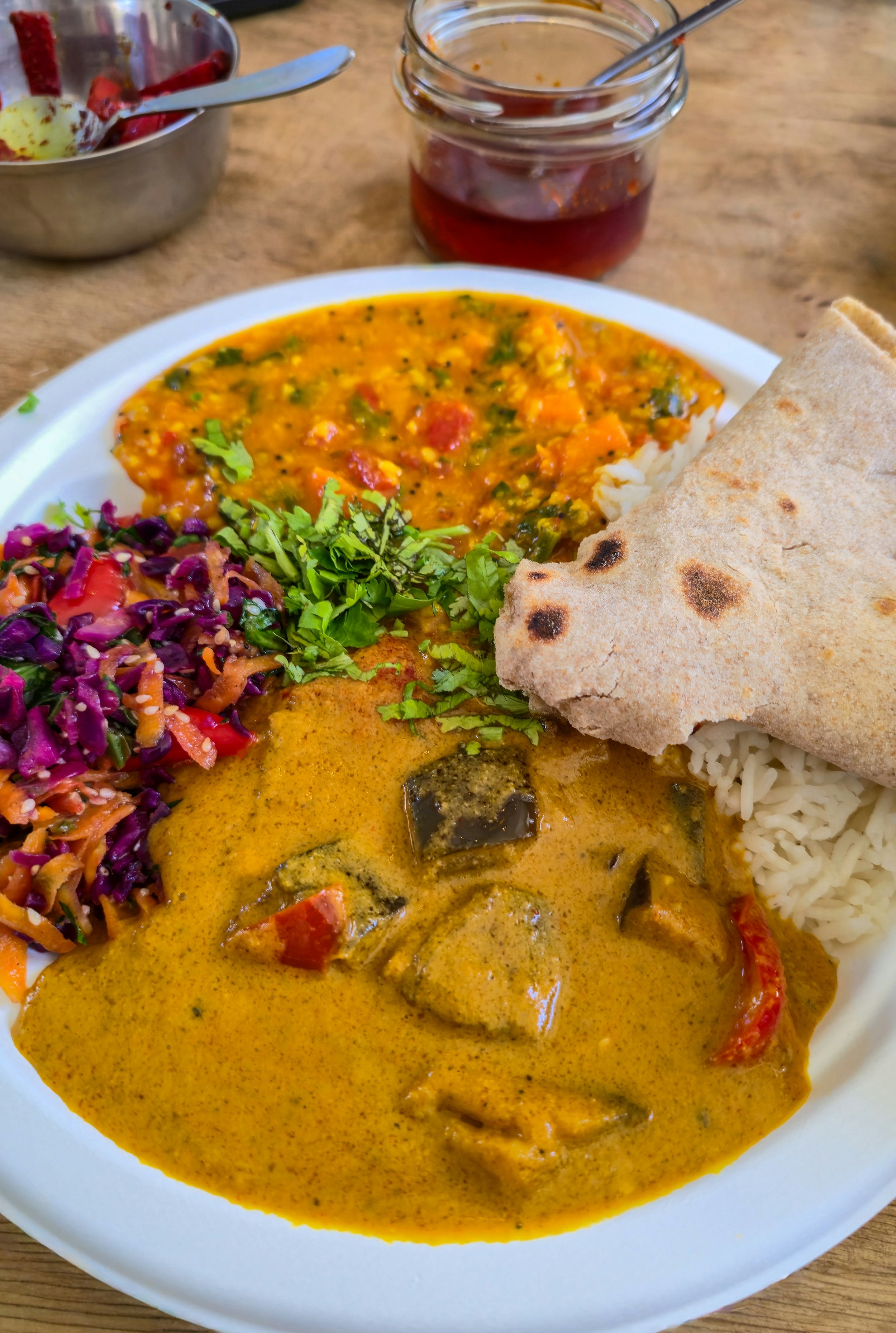
1. Understanding the two types of dietary iron
There are two forms of iron in our diet:
Haem iron: Found in animal foods such as meat, poultry, fish and seafood. It is generally absorbed more efficiently by the body.
Non-haem iron: Found in plant foods such as lentils, beans, millets, nuts, seeds, leafy greens and fortified foods. Its absorption is more affected by other components of your meal.
This is particularly important if you follow a vegetarian or predominantly plant-based diet. You may need to be more intentional about your iron intake and food combinations.
2. Include iron-rich foods in your everyday meals
You don't need expensive superfoods or complicated recipes to improve your dietary iron intake. Many everyday Indian ingredients are excellent sources.
Some particularly useful food categories include:
Legumes and lentils: Soybeans, horse gram, masoor dal, kala chana, rajma and chickpeas.
Nuts and seeds: Garden cress (halim/aliv), sesame seeds, pumpkin seeds, chia seeds and sunflower seeds.
Millets and grains: Amaranth, pearl millet (bajra), quinoa, finger millet (ragi) and whole grains.
Leafy greens: Curry leaves, mint, amaranth leaves, fenugreek leaves and moringa leaves.
Dried fruits: Black raisins, dried dates, apricots and figs.
Animal sources: Liver, oysters, mussels, sardines and meat.
I've put together a detailed iron-rich foods reference chart with approximate iron content per 100 g to help you identify and include more of these foods in your diet. Remember that the highest iron value per 100 g doesn't necessarily mean the food provides the most iron in your usual serving. Herbs, for example, are generally consumed in much smaller quantities.
3. Pair plant-based iron with vitamin C
This is one of the simplest and most useful dietary strategies.
Vitamin C improves the absorption of non-haem iron by making it more available for absorption in the digestive tract.
Rather than eating your iron-rich foods in isolation, try these combinations:
For your everyday Indian thali:
Add amla pickle or fresh amla alongside your meal.
Include green chillies with your dal or sabzi.
Add raw tomatoes, capsicum or a squeeze of lemon.
Include citrus fruits as part of your meal.
For breakfast:
Add strawberries, blueberries, raspberries or blackberries to your oats porridge.
Pair amaranth porridge with vitamin C-rich fruits.
Add fresh fruit alongside meals containing seeds and nuts.
Small changes in how you combine foods can improve the amount of plant-based iron your body absorbs.
4. Be mindful of tea, coffee and calcium
Certain dietary components can reduce iron absorption when consumed alongside iron-rich meals. Tea and coffee contain polyphenols that can inhibit non-haem iron absorption. Try keeping them around 1–2 hours away from your iron-rich meals. Calcium can also interfere with iron absorption in some circumstances. If you're taking calcium supplements or consuming large amounts of calcium alongside an iron supplement, discuss appropriate timing with your healthcare practitioner.
5. Don't overlook traditional food preparation methods
Our traditional Indian cooking practices can also support better nutrient availability. Soaking, sprouting and fermenting grains and legumes can reduce phytates, compounds that bind minerals such as iron and can reduce their absorption. This is one reason traditional foods such as idli, dosa, fermented batters and sprouted moong are useful additions to a varied diet. You can also use a cast-iron kadhai for cooking. Depending on the food, acidity and cooking time, small amounts of iron may transfer into the food.
6. What if your iron levels are already low?
This is where it's important to distinguish between preventing deficiency and correcting an existing deficiency. If your ferritin, haemoglobin or other iron markers are low, don't rely on dietary changes alone without understanding the severity and cause. Iron deficiency can be associated with several factors, including:
Heavy menstrual bleeding.
Inadequate dietary iron intake.
Gastrointestinal conditions affecting absorption.
Coeliac disease and other gut disorders.
Increased requirements or blood loss.
Certain medications.
Get the appropriate blood tests and work with your doctor to identify the underlying cause. Depending on your results, you may need iron supplementation or, in some cases, intravenous iron.
Food is an important part of long-term nutritional support, but it may not be sufficient to correct established iron-deficiency anaemia.
A final takeaway
Iron nutrition isn't simply about eating more spinach or taking an iron supplement.
It's about choosing a variety of iron-rich foods, understanding how your body absorbs them, combining plant-based foods intelligently and investigating the reason behind any deficiency.
Start with your everyday plate. Include lentils, beans, seeds, millets and leafy greens, and don't forget your vitamin C!
A little more awareness about what you eat and how you combine your foods can go a long way towards supporting better nutritional health.
Disclaimer: This article is for educational purposes and is not a substitute for medical advice, diagnosis or treatment. Food-composition values vary by source, variety and preparation. Consult a qualified healthcare professional if you suspect iron deficiency.
